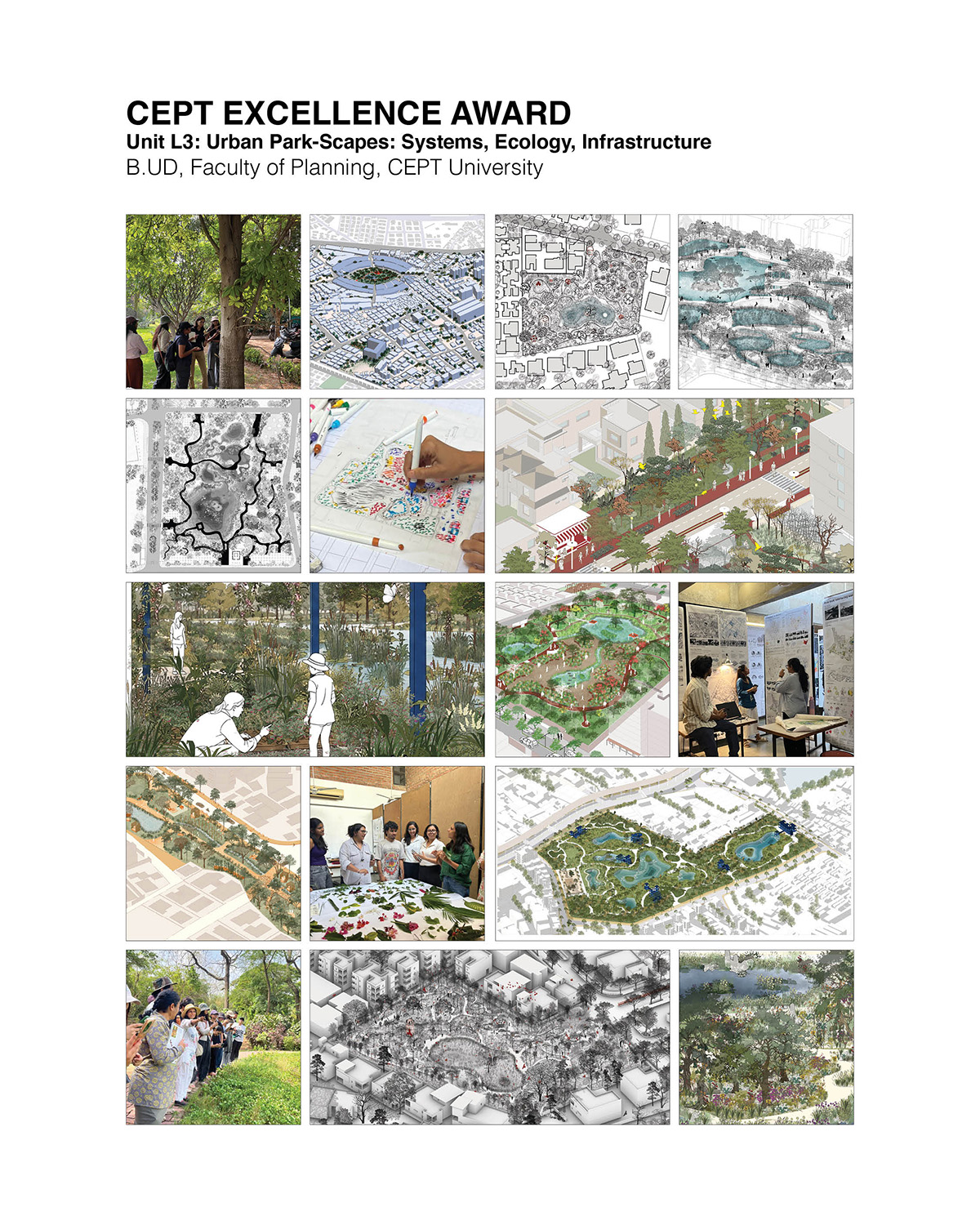
Studio brief
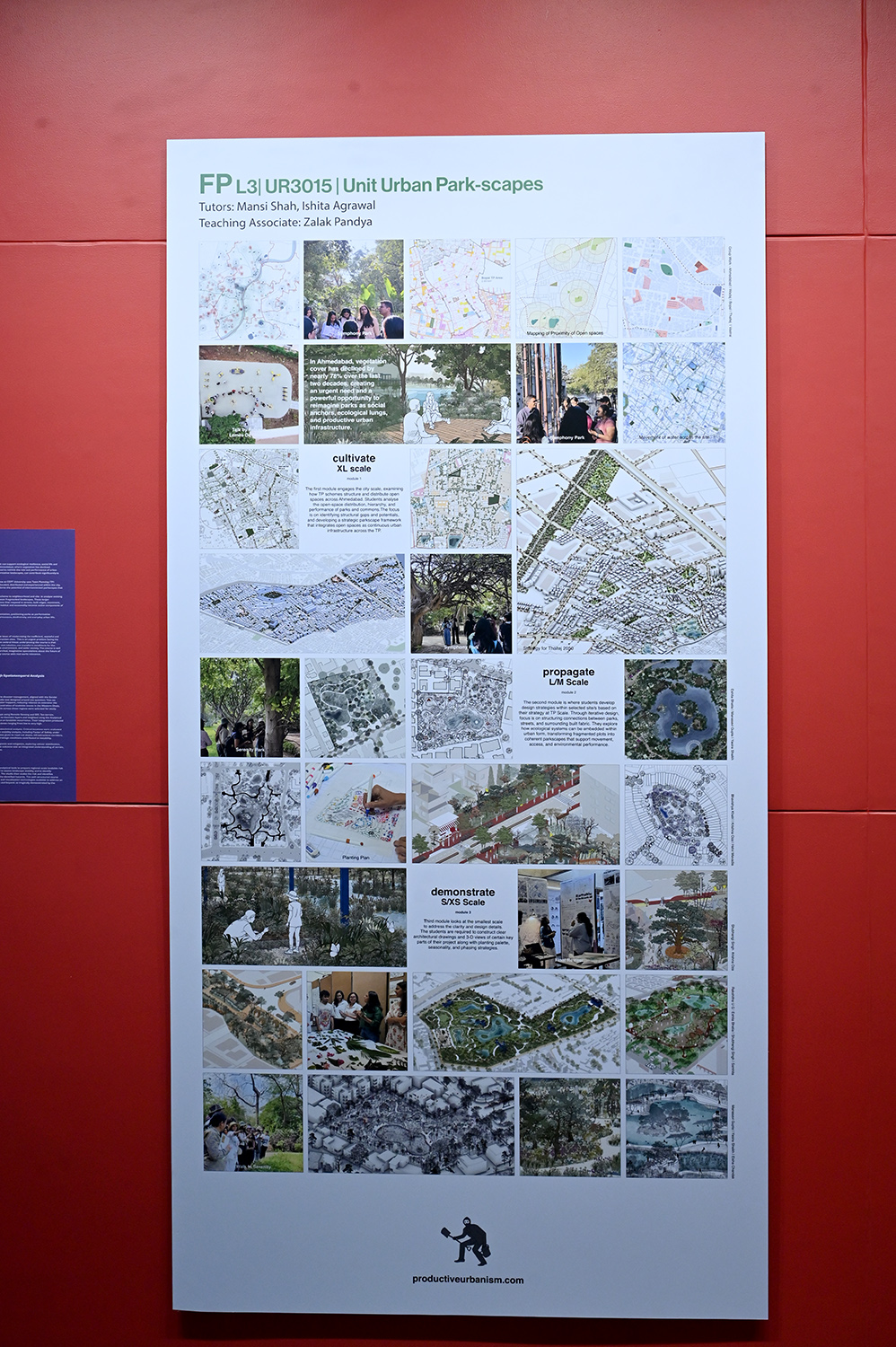
In rapidly growing cities, parks are critical infrastructure that can support ecological resilience, social life and stronger ecological connections across the urban fabric. In Ahmedabad, where vegetation has declined significantly over the past two decades, there is an urgent need to rethink the role and performance of urban open spaces. Parks, when conceived as integrated and performative landscapes, can contribute significantly to addressing these environmental and urban challenges.
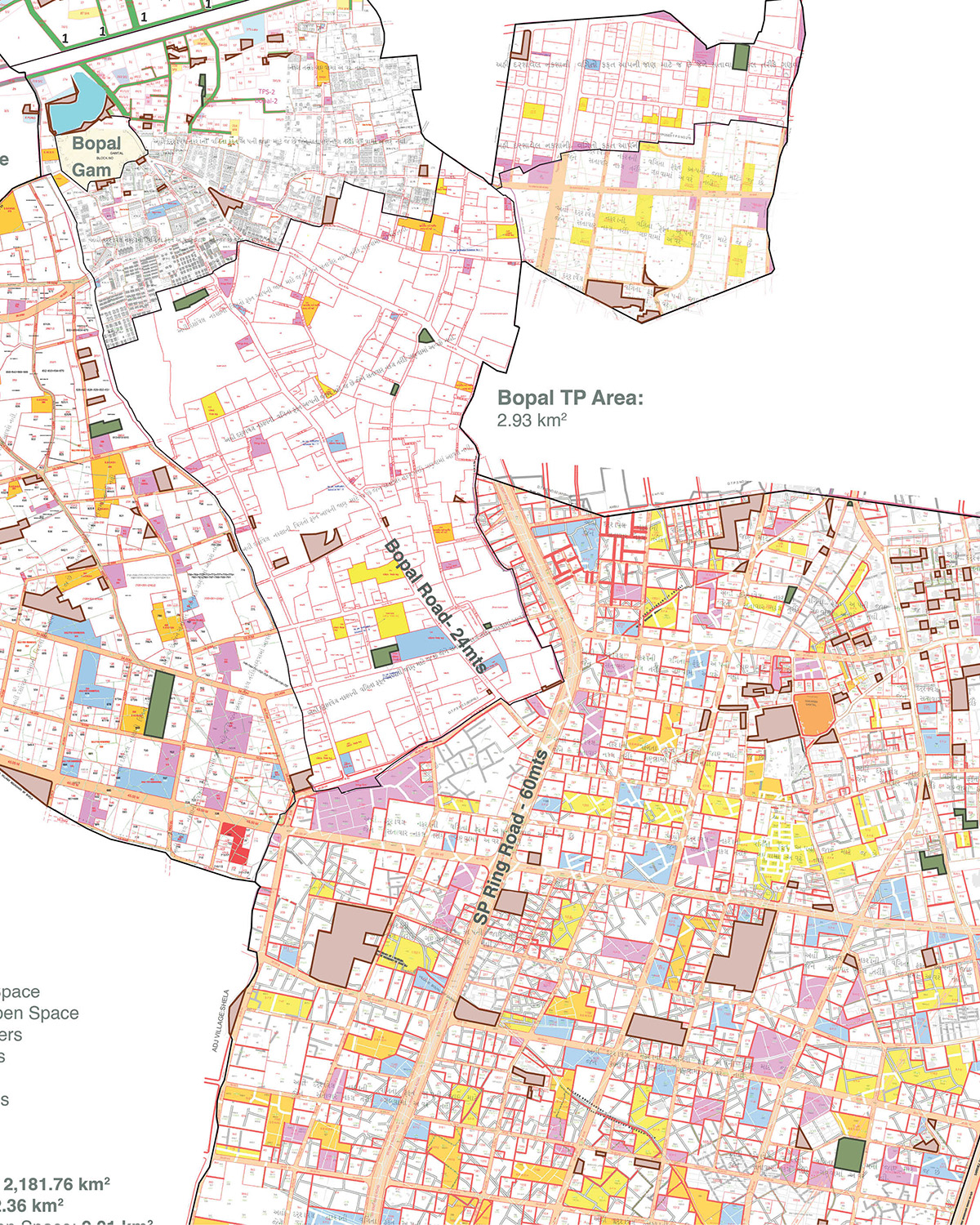
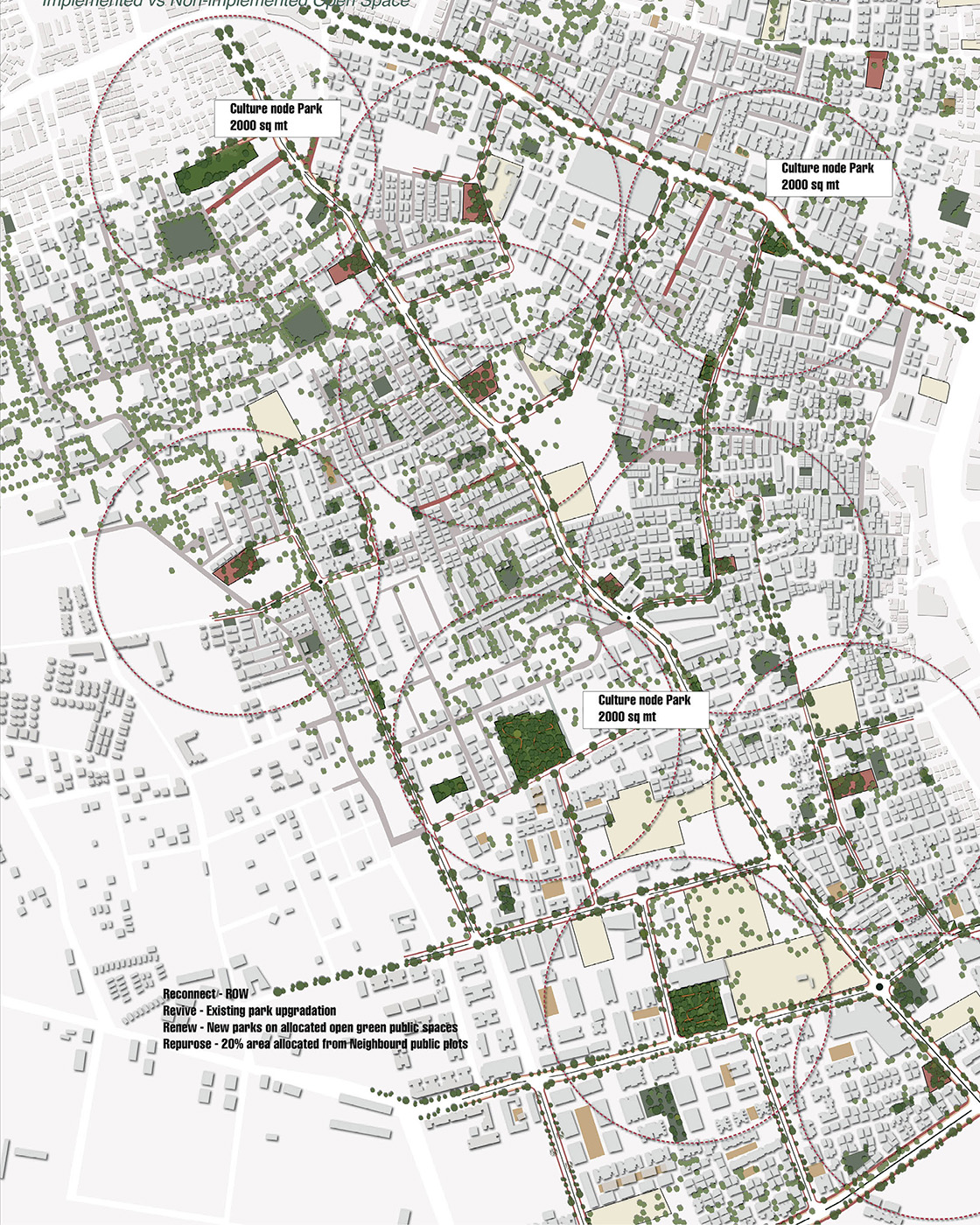
This Level 3 studio in the Bachelor of Urban Design programme at CEPT University uses Town Planning (TP) schemes as a framework to examine how open spaces are allocated, distributed and experienced within the city. Moving beyond the idea of isolated park plots, the studio explores the potential of interconnected parkscapes that function as continuous ecological and public infrastructure.
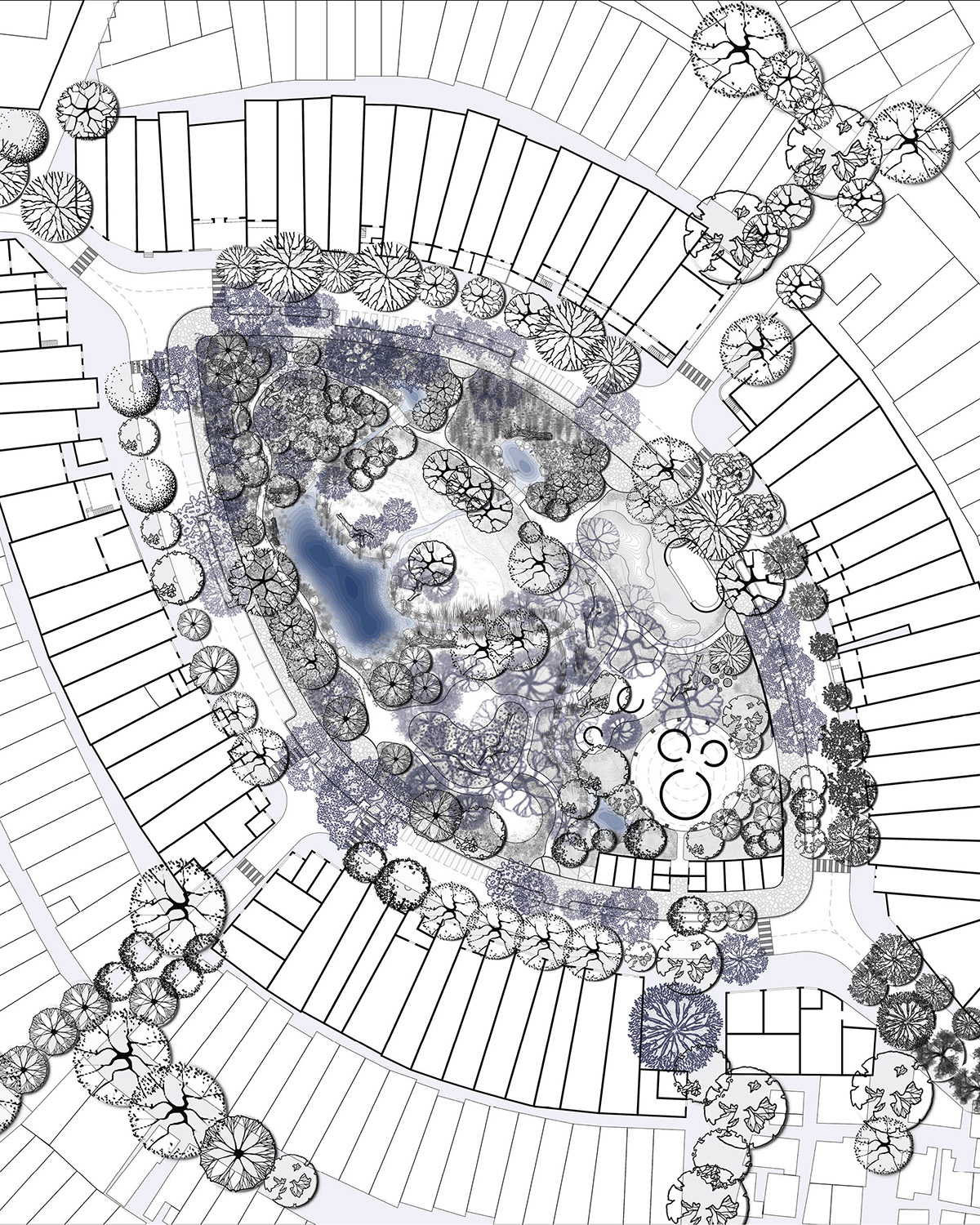
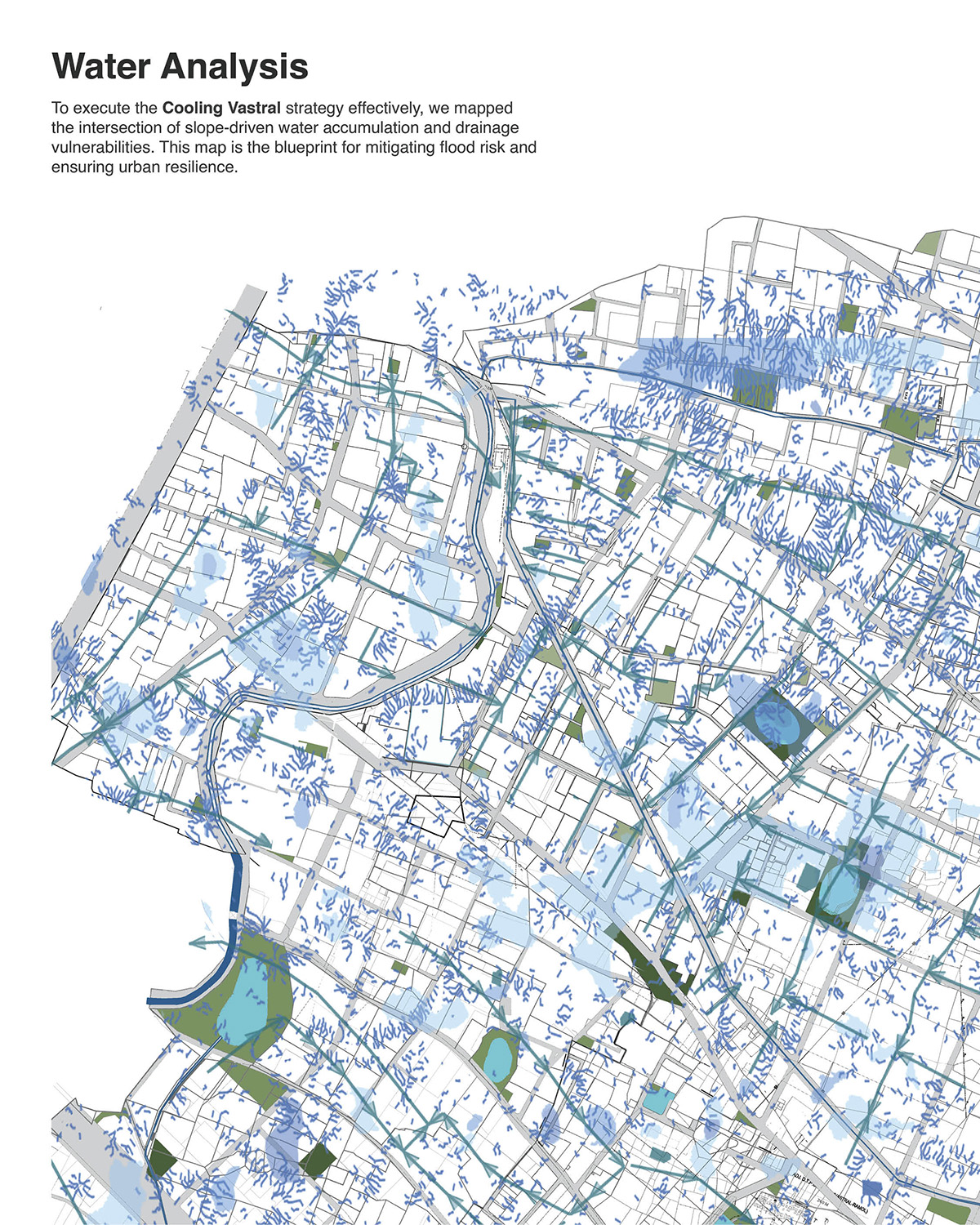
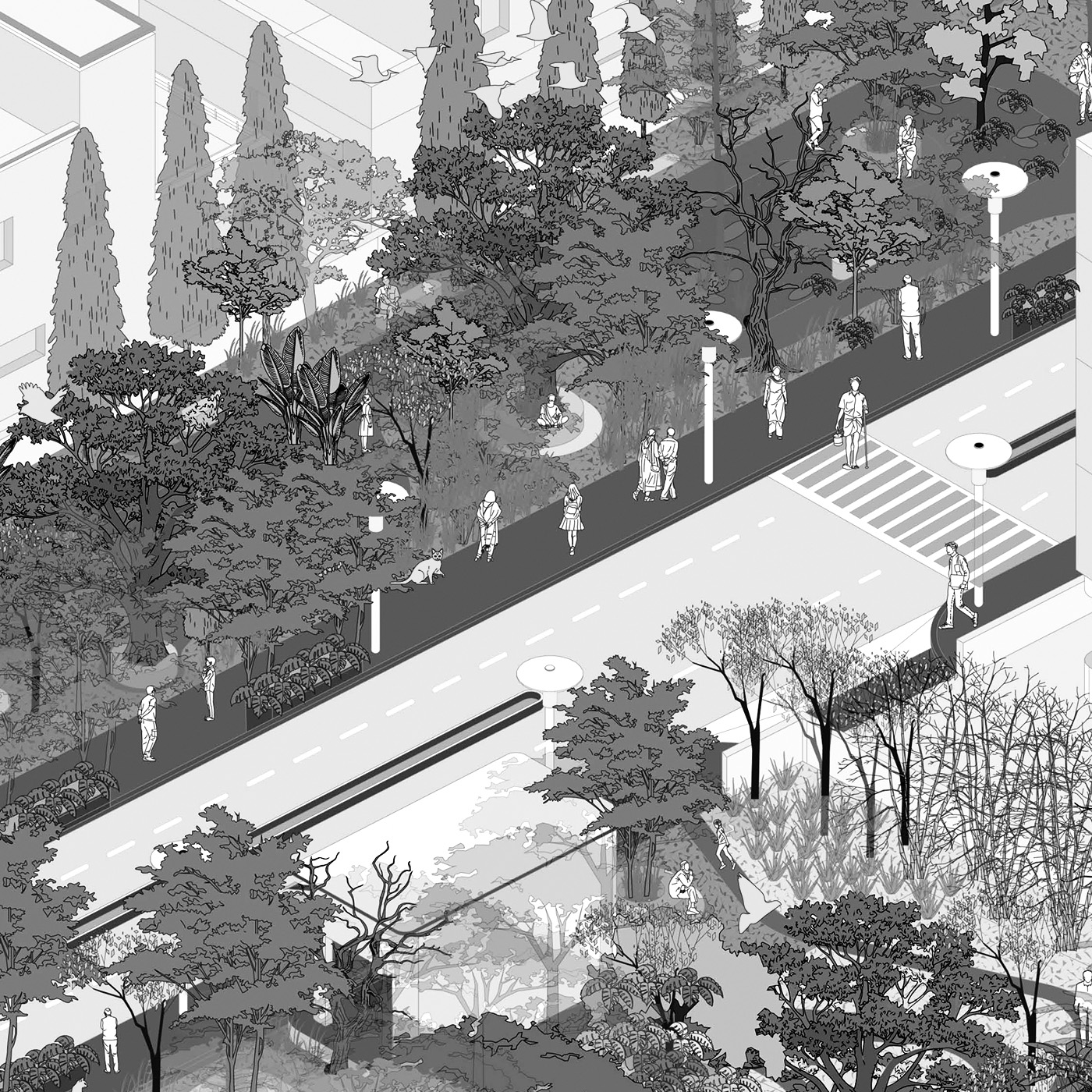
Students work across multiple scales- from the city and TP scheme to neighbourhood and site- to analyse existing open-space systems and develop strategic connections between fragmented landscapes. These larger frameworks are translated into detailed site-scale interventions that respond to streets, built edges, movement, access, utilities and ecological systems. Water, soil, planting, habitat and seasonality become active components of the design process.
The studio emphasises systems thinking and design experimentation, positioning parks as performative landscapes that can simultaneously support environmental processes, biodiversity and everyday urban life.
Studio Approach
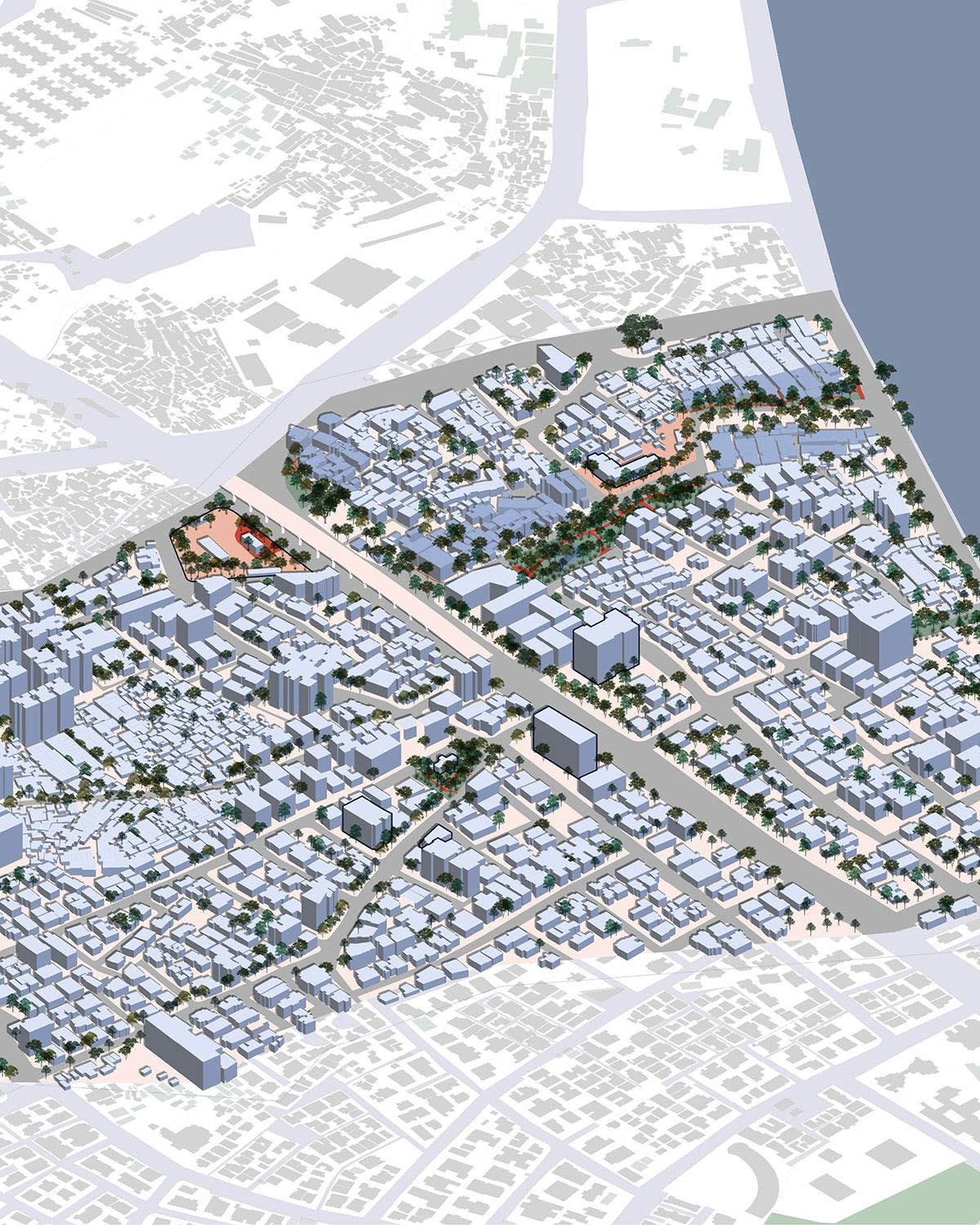
The studio uses ecosystem services as a framework to examine how urban parks can provide ecological, supporting and cultural services. Projects are developed through a broad reading of the site and its surrounding landscape, including existing conditions and proposed Town Planning interventions. Connecting landscapes becomes a key strategy to strengthen the overall park infrastructure, linking fragmented open spaces and ecological systems while expanding their collective environmental and public value.
Output
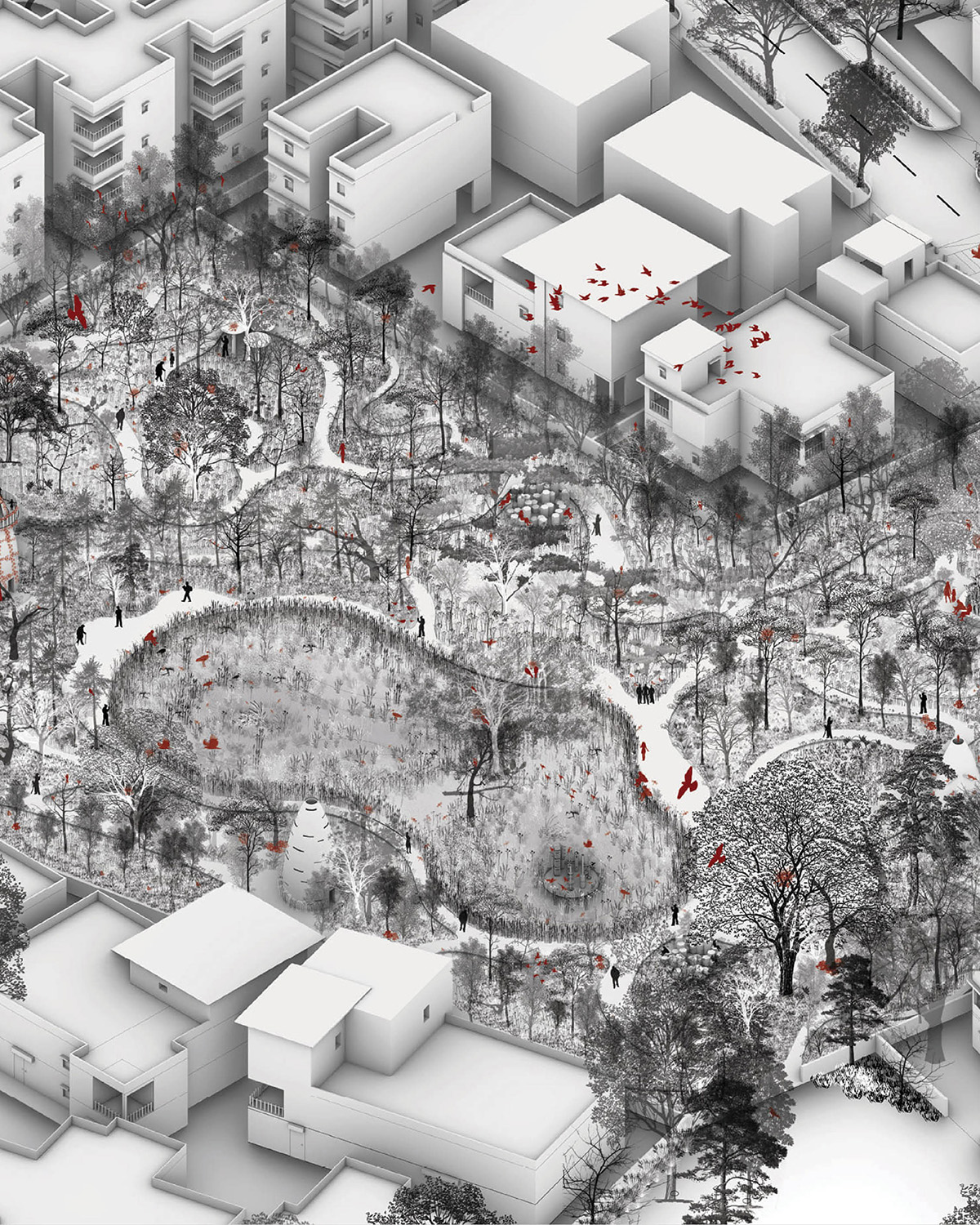
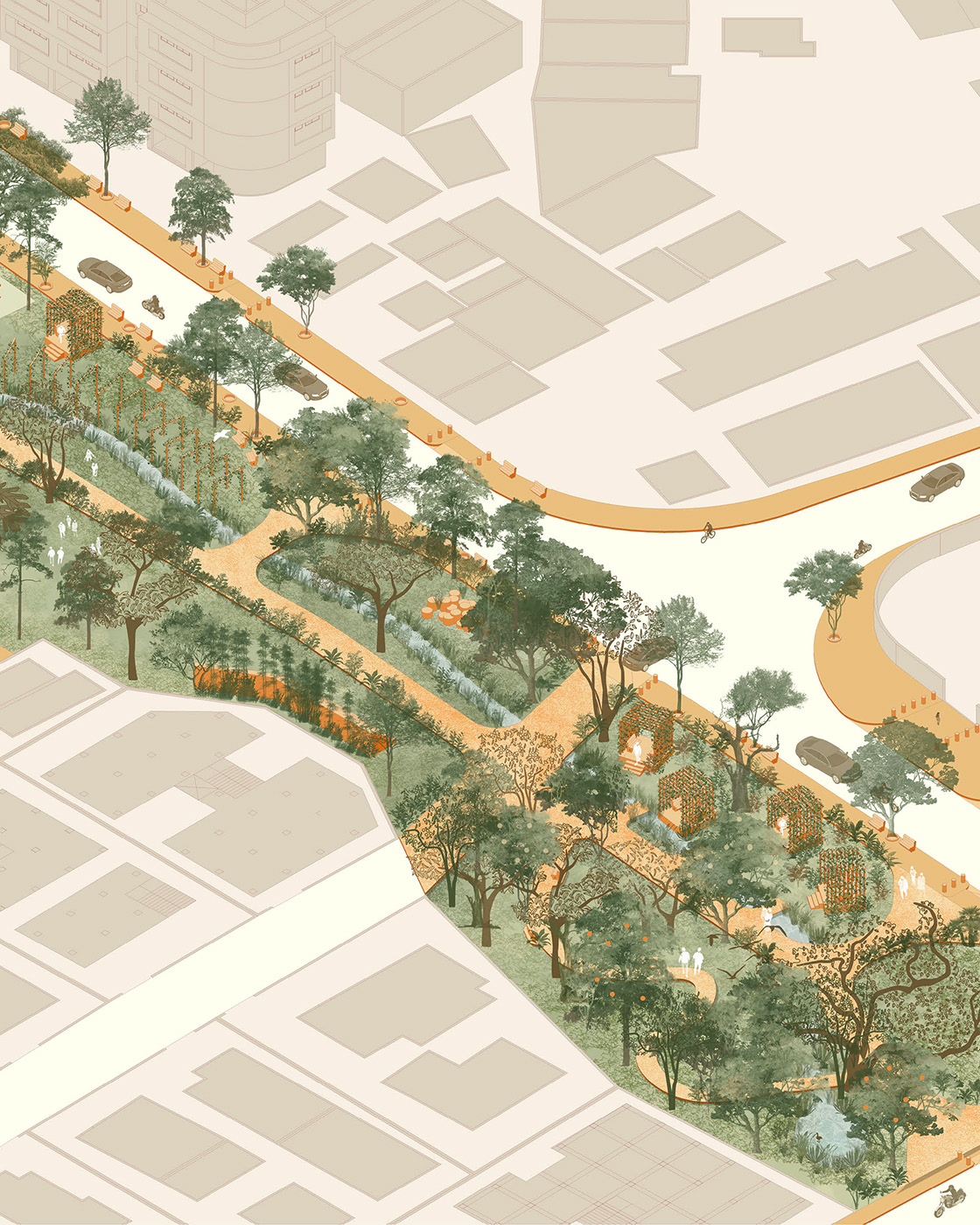
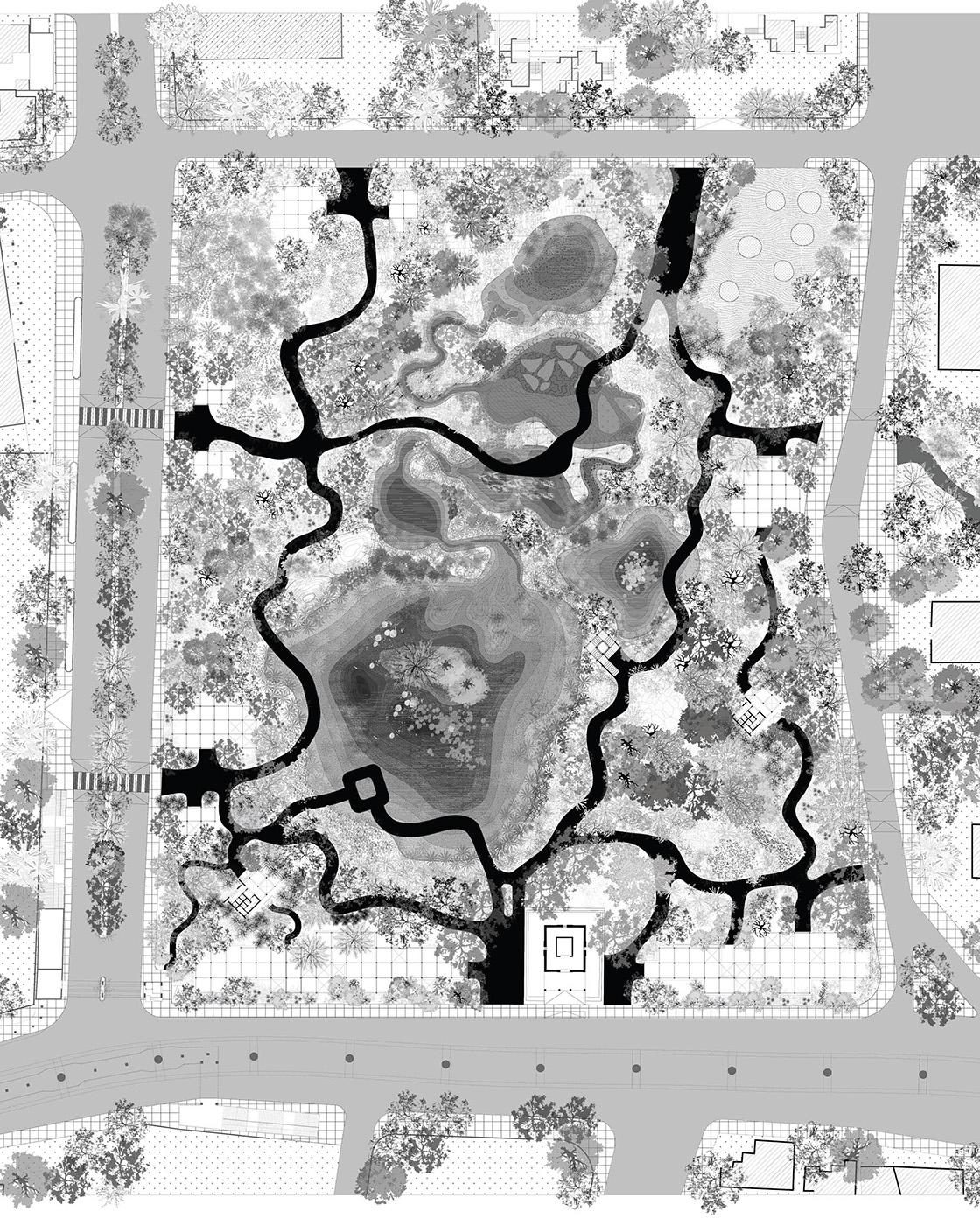
Students develop individual park proposals rooted in a specific landscape idea, ecological process or cultural use. Projects range from water-based landscapes and urban forests to productive parks, neighbourhood landscapes and connected ecological systems. Through plans, sections, planting strategies, spatial frameworks and experiential visualisations, each proposal explores a distinct way of shaping the park as an active, evolving urban landscape