Urban Park-scapes 2026: Systems, Ecology, Infrastructure
In rapidly growing cities, parks are not residual spaces but critical infrastructure linking social life and ecological resilience. In Ahmedabad, a 78% decline in vegetation over two decades signals an urgent need to rethink their role.
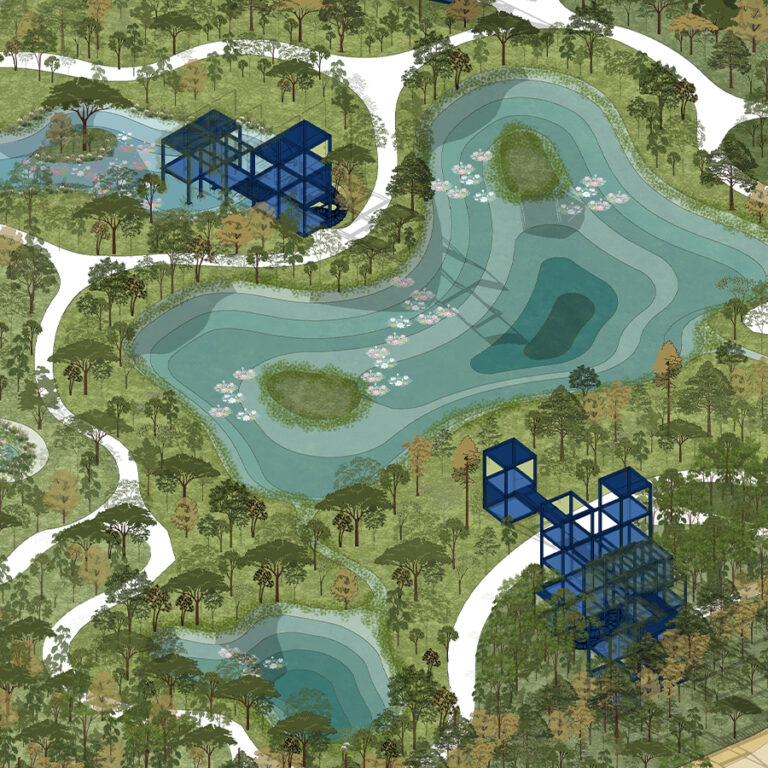
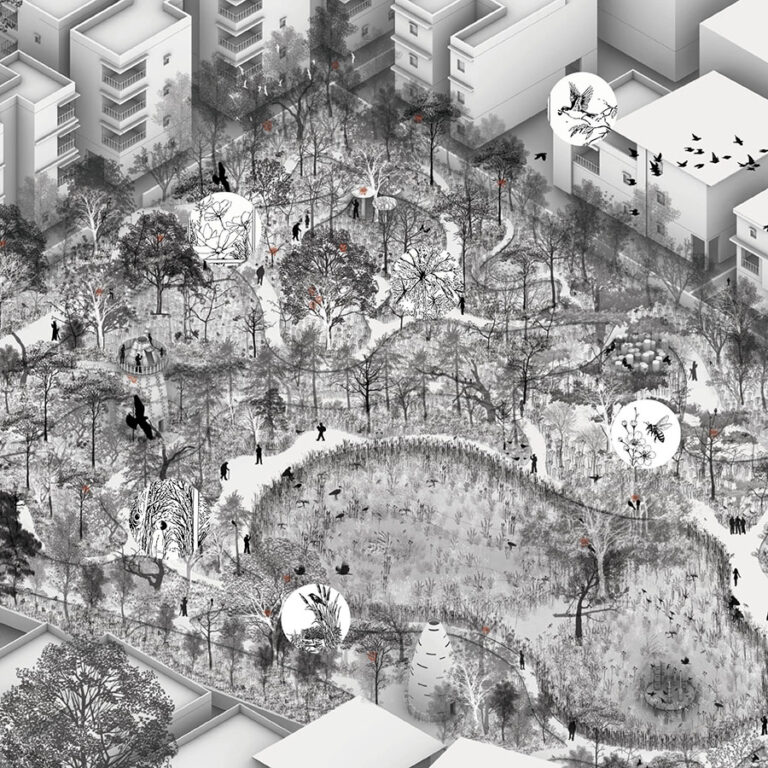
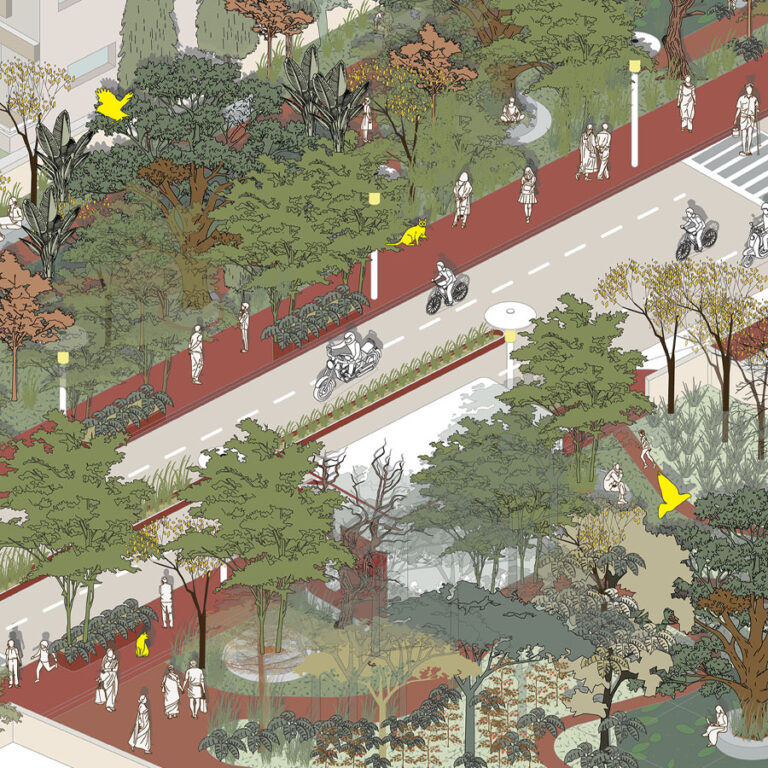
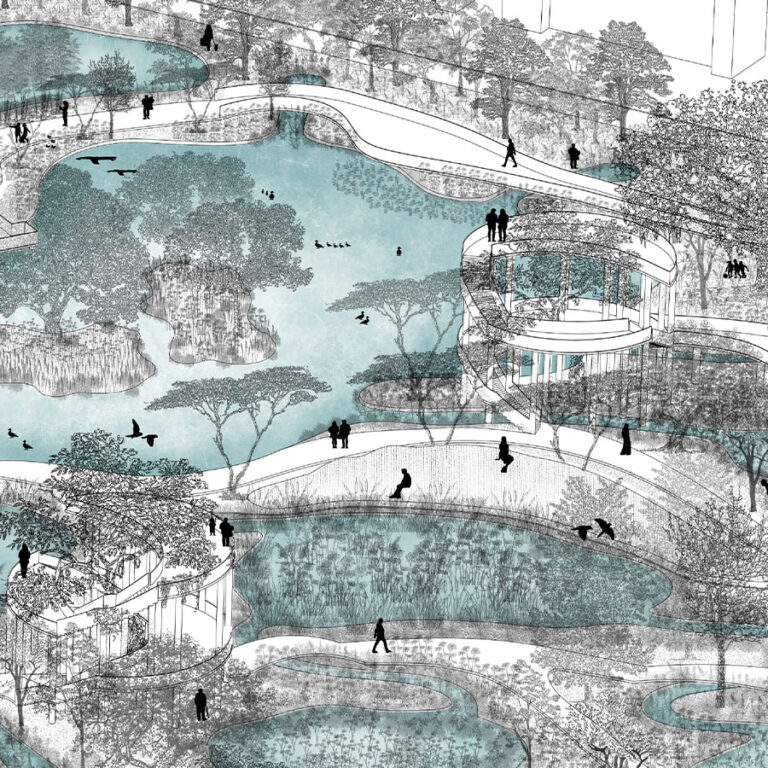
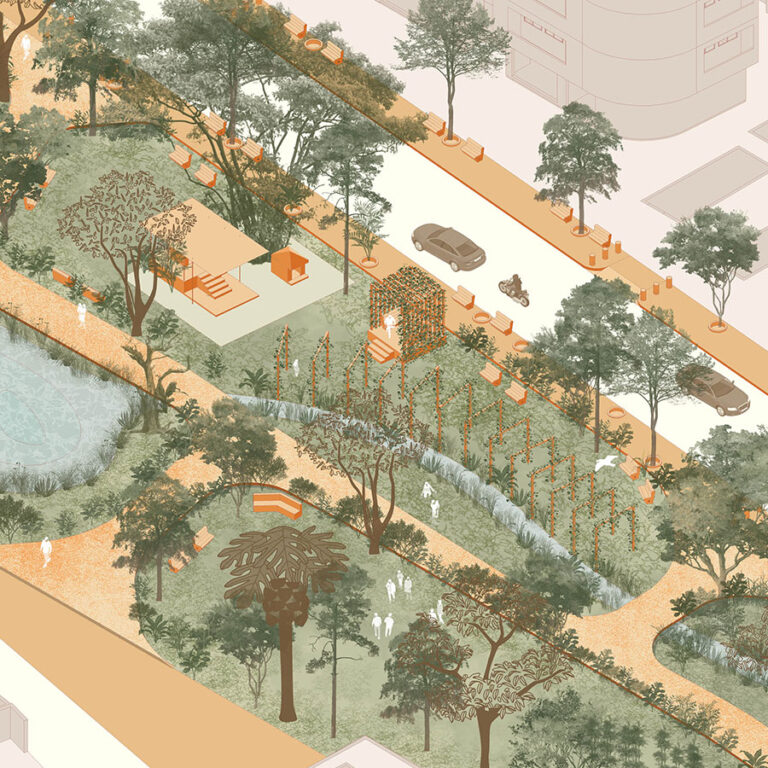
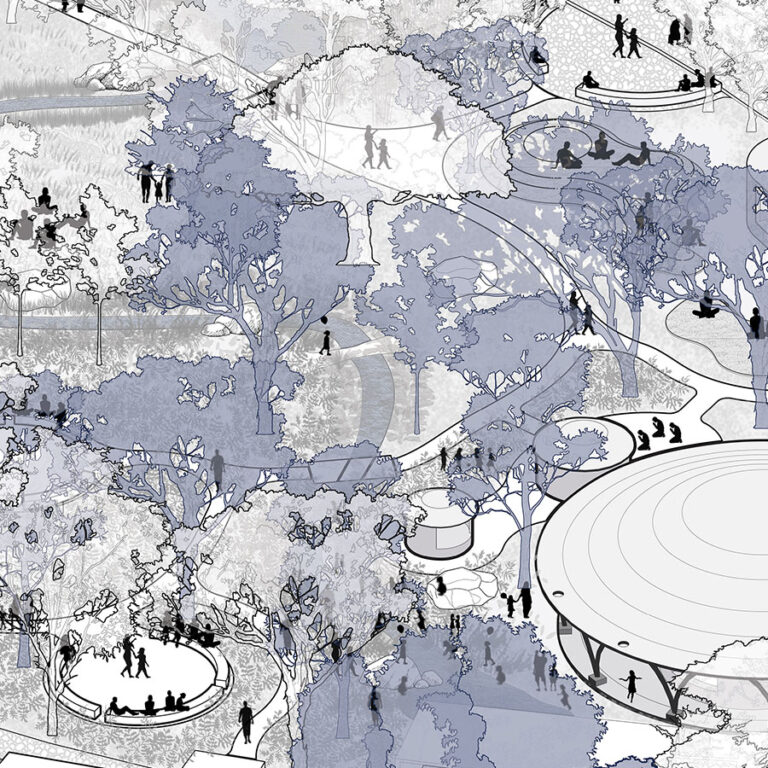
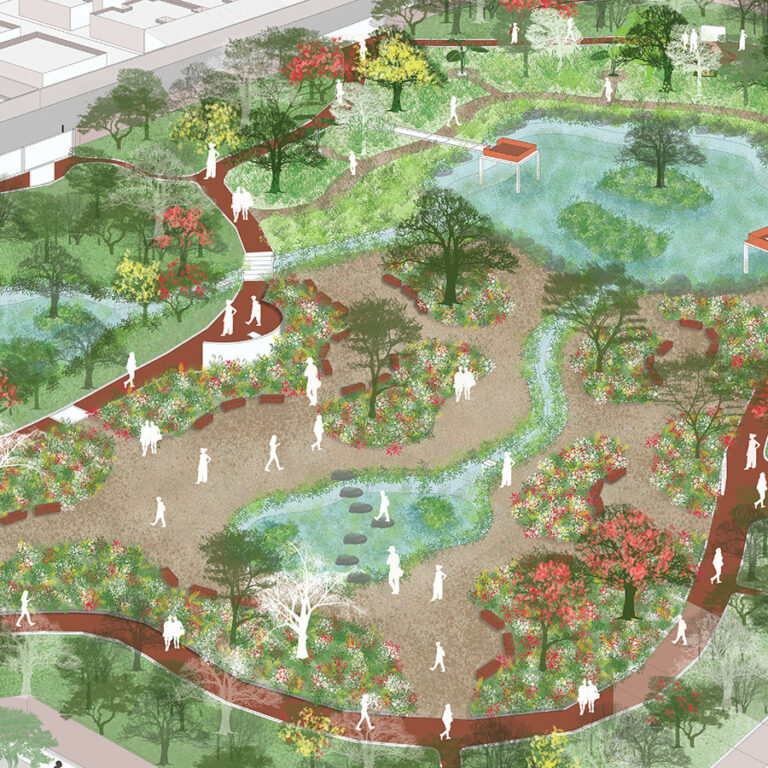
This Level 3 studio uses Town Planning (TP) schemes to examine how open spaces are allocated, distributed, and often under-realized within the urban fabric. The focus is on moving beyond isolated plots toward continuous, performative landscapes.
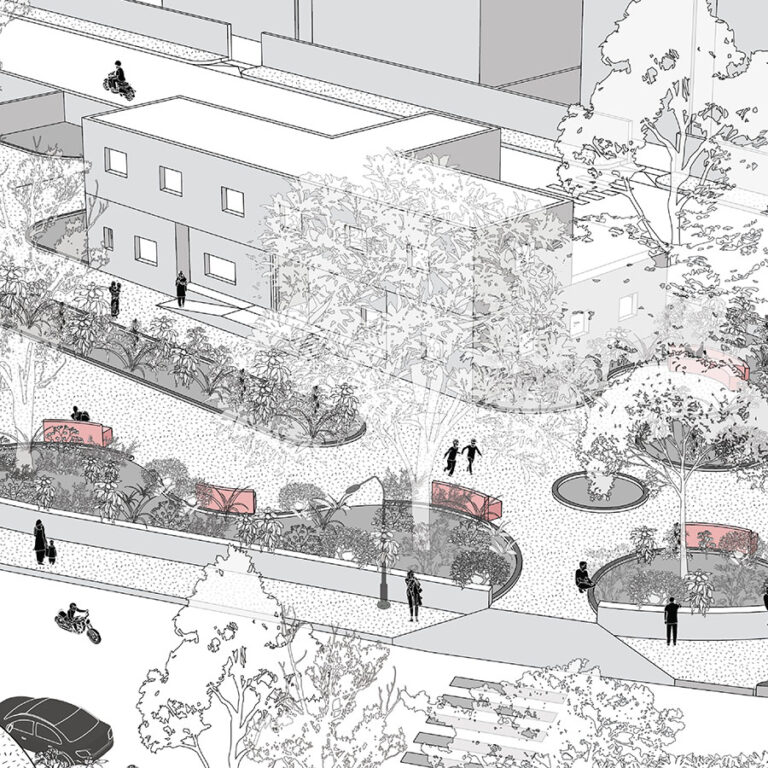
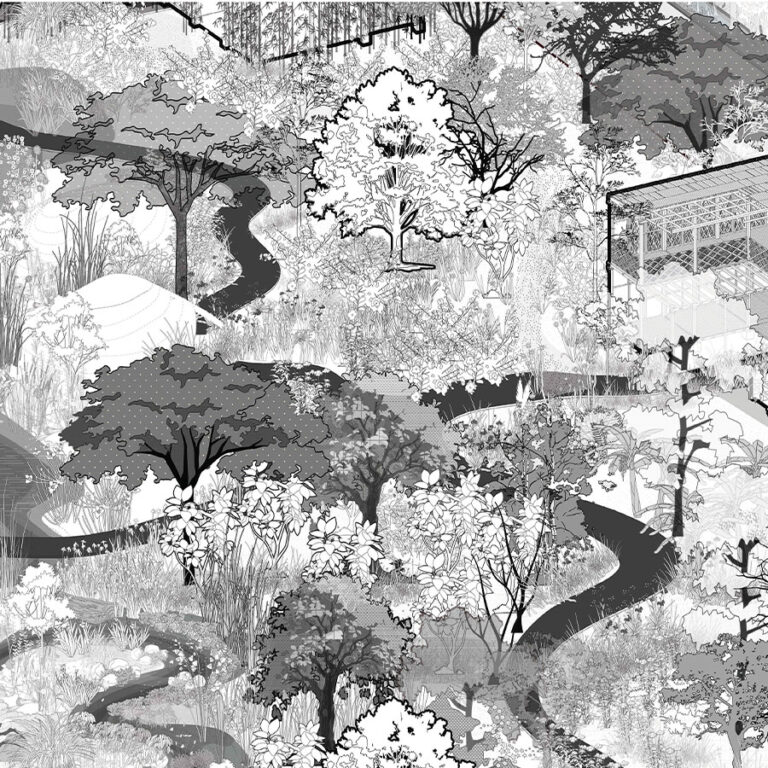
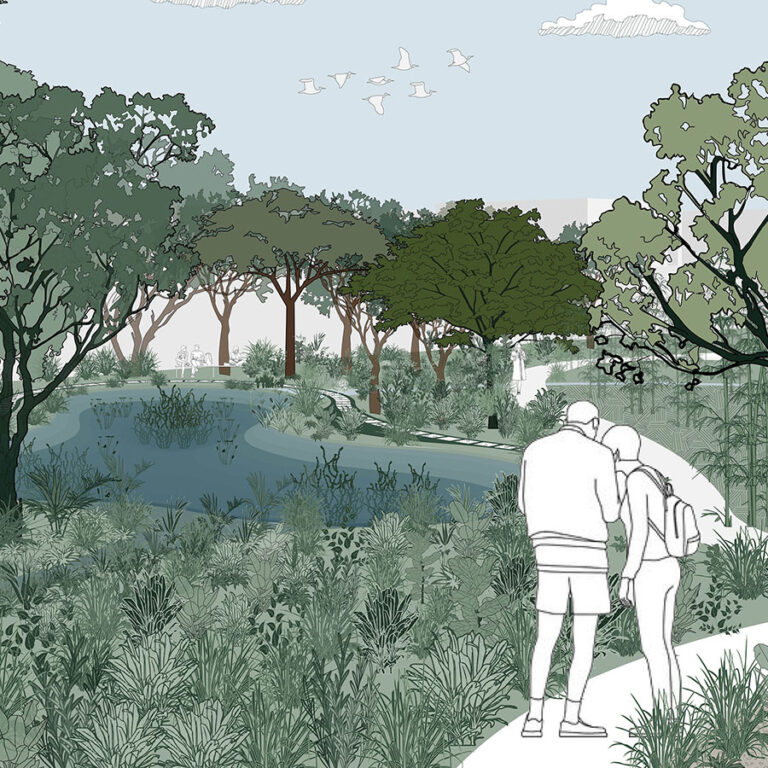
Working across city, TP, and site scales, students develop strategies to embed ecological systems within neighbourhoods. At the larger scales, this involves conceptually structuring and connecting parkscapes that weave through the built fabric. At the site scale, parks are developed in detail, taking into account utilities, boundaries, streets and adjacent buildings to shape integrated systems of water, habitat, and public use. Ecological processes such as flows, soil, and seasonality inform key design decisions.
The studio emphasises systems thinking and experimentation, positioning parks as active agents within urban processes rather than passive amenities.
Spring 2026 – level 3 studio unit
At Bachelor of Urban Design, CEPT University
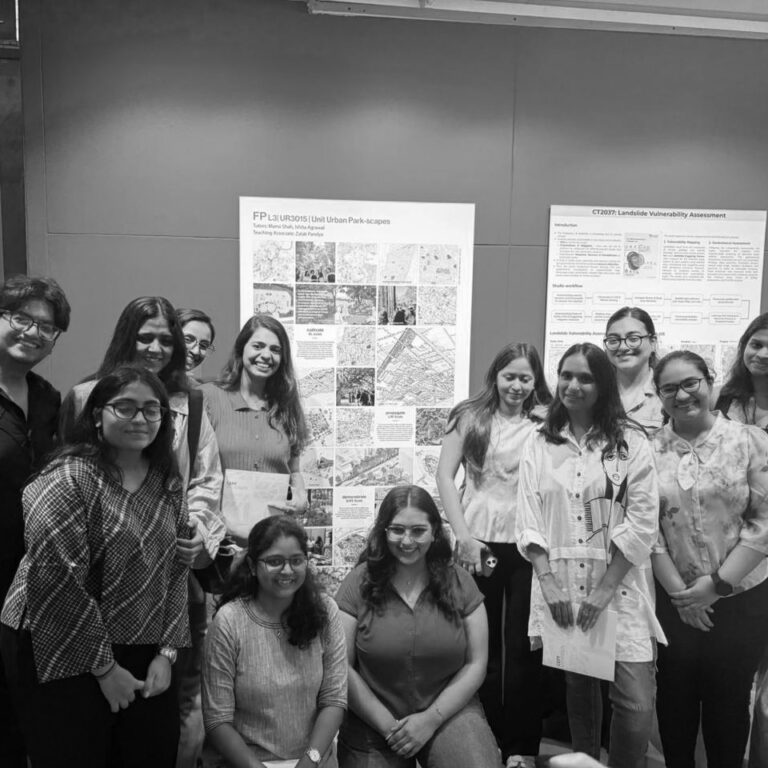
Unit Tutors: Mansi Shah + Ishita Agrawal | Teaching Associate: Zalak Pandya
Students: Bhavishya Khatri, Rishi Ray, Janki J Hirani, Bhatia Eshita Madhav, U G Rakshitha, Samhita Siddhartha Sengupta, Eisha Chandak, Mavadia Hetvi Sunil, Manasavi Gupta, Shubhangi Singh, Krishna Oza, Yasira Shaikh
Link to CEPT Portfolio